
Survey intent
Confirm levels, access, spoil, and service constraints.
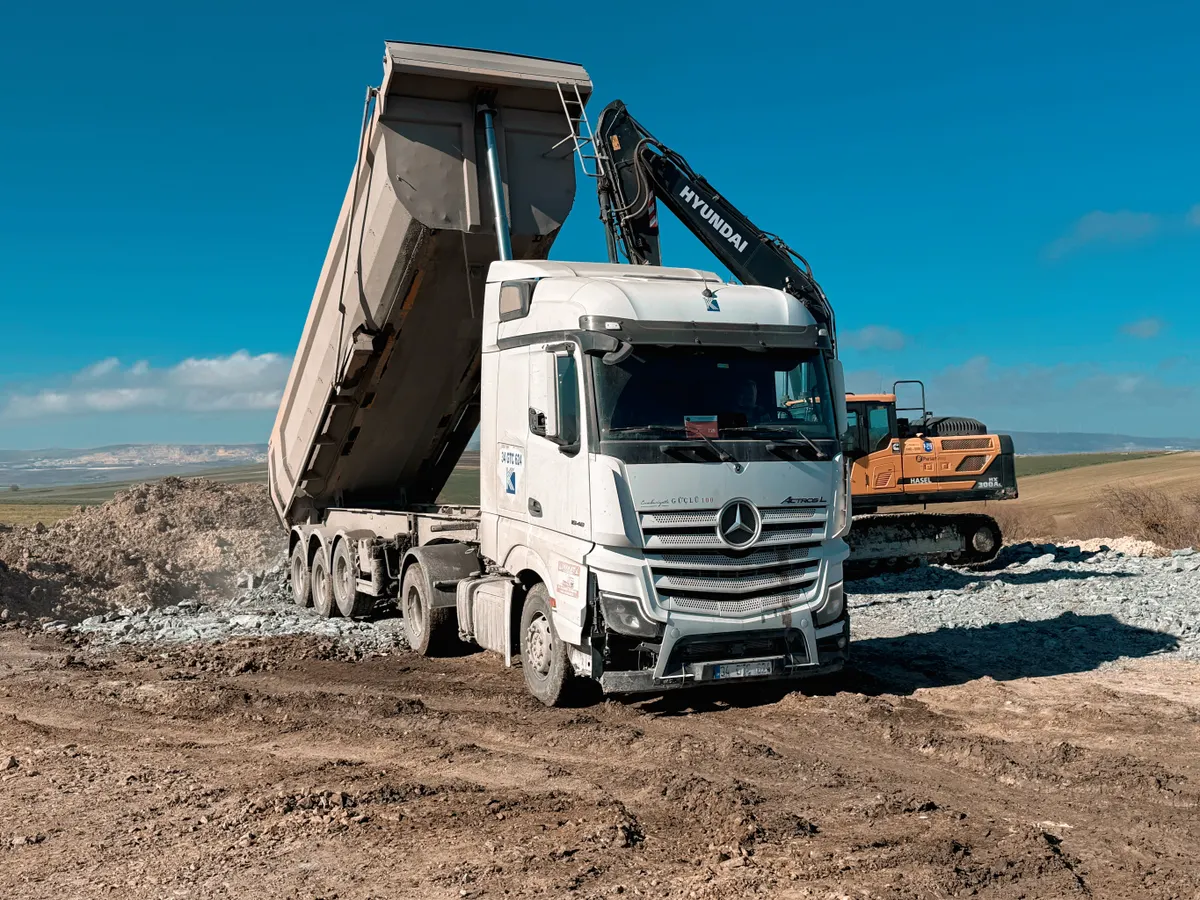
Excavation and groundworks
Responsive earthmoving for demolition sites, new builds, commercial yards, civil preparation, and difficult access blocks.
Service guide
Earthmoving is where demolition becomes the platform for construction. After a structure is removed, the site still needs shape, access, drainage logic, clean levels, spoil control, and preparation for the next trade. Poor earthworks can create delays that show up during footing, drainage, services, landscaping, or builder handover.
Adelaide Demolition provides earthmoving and excavation services across Greater Adelaide for residential blocks, commercial yards, civil preparation, tight access sites, post-demolition trimming, trenching, bulk spoil movement, and site cuts. Many clients combine this with House Demolition so the block is cleared, trimmed, and ready for the next contractor.
Successfully submitted.
Please expect 1–2 days to get a response, if not, feel free to submit your quote request again.

01
Earthmoving after demolition is different from simple digging. The site may contain old footings, broken masonry, mixed fill, service trenches, buried debris, soft spots, stormwater issues, or restricted truck access. A demolition-informed approach looks for those risks before the machine starts shaping the ground.
This mindset helps avoid rework. If the next stage is a new home, warehouse slab, driveway, retaining wall, drainage line, or landscaped platform, the earthmoving scope should be planned to support that outcome rather than simply moving soil from one place to another. Spoil and rubble decisions can then align with Rubbish Disposal rather than being solved late.

02
A clean site cut can determine how easily the builder proceeds. The work may involve removing high points, filling low areas, trimming to approximate levels, creating access, forming pads, preparing for retaining, or shaping areas around old structures. The correct tolerance depends on the project and should be agreed before work begins.
We approach ground preparation with the practical realities of Adelaide sites in mind: narrow blocks, sloping land, old fill, clay movement, stormwater direction, street access, and the need to protect neighbouring properties. Controlled preparation is cheaper than correcting rushed earthworks later.

03
Trenching requires care because underground services, soil stability, water movement, and safe access all influence the work. Trenches for stormwater, electrical conduits, plumbing, irrigation, retaining systems, or civil services must be planned around known service locations and the needs of follow-on contractors.
A premium approach considers trench depth, spoil placement, backfill requirements, traffic flow, exclusion zones, and how quickly the area needs to be made safe. Where services are uncertain, locating and confirmation should happen before excavation.

04
The right machine depends on more than horsepower. A tight backyard may need compact equipment. A large commercial site may require larger excavators, loaders, multiple trucks, or staged stockpile management. Access width, overhead wires, slope, turning room, ground bearing, and truck loading zones all shape the method.
Matching plant to site conditions improves safety and speed. It also protects surfaces that are meant to remain, such as neighbouring driveways, kerbs, footpaths, landscaping, retained walls, or public assets.
01 / Excavation and groundworks
Earthmoving shapes the next stage of the project. We manage site cuts, spoil movement, trenching, backfill, grading, and access tracks with the same attention to safety and sequencing used on demolition work.
The aim is simple: stable access, clean levels, controlled material movement, and a site that is ready for the next contractor.
02 / Excavation and groundworks
We support residential, commercial, and light civil projects across Greater Adelaide, with machine selection matched to site access and soil conditions.
03 / Excavation and groundworks
When earthmoving follows demolition, one team can coordinate load-out, cut levels, compaction preparation, and final presentation without handing the site between disconnected contractors.

Excavation control
Every movement is staged around access, neighbours, public interfaces, material recovery, and the handover condition the next trade needs.
Service proof
Cut + fill
Works
Site matched
Plant
Metro Adelaide
Coverage
Confirm levels, access, spoil, and service constraints.
Match machinery and trucks to site access and programme.
Manage sediment, dust, drainage, and exclusion zones.
Excavate, shape, trench, load, and place materials.
Trim the site and prepare for handover or follow-on trades.
Premium project delivery
Book a site inspection and receive a clear demolition plan, transparent scope, and practical next steps.
FAQ
Can not find the answer you need? Call the team and we will talk through the site.
Yes. Combining demolition and earthmoving can simplify truck movements, spoil handling, site levels, and final handover for the builder.
Spoil removal can be included. The disposal or reuse pathway depends on soil condition, contamination risk, project needs, and facility requirements.
Yes. Plant selection is matched to access width, turning room, slope, overhead hazards, and neighbouring property constraints.
Useful details include the address, photos, access width, known services, desired levels, soil or fill concerns, plans, and timing requirements.
Yes. Final trimming, site cuts, spoil removal, and builder-ready levels can be included when the required handover condition is confirmed early.