Assess
Identify waste types, risk materials, and available loading access.
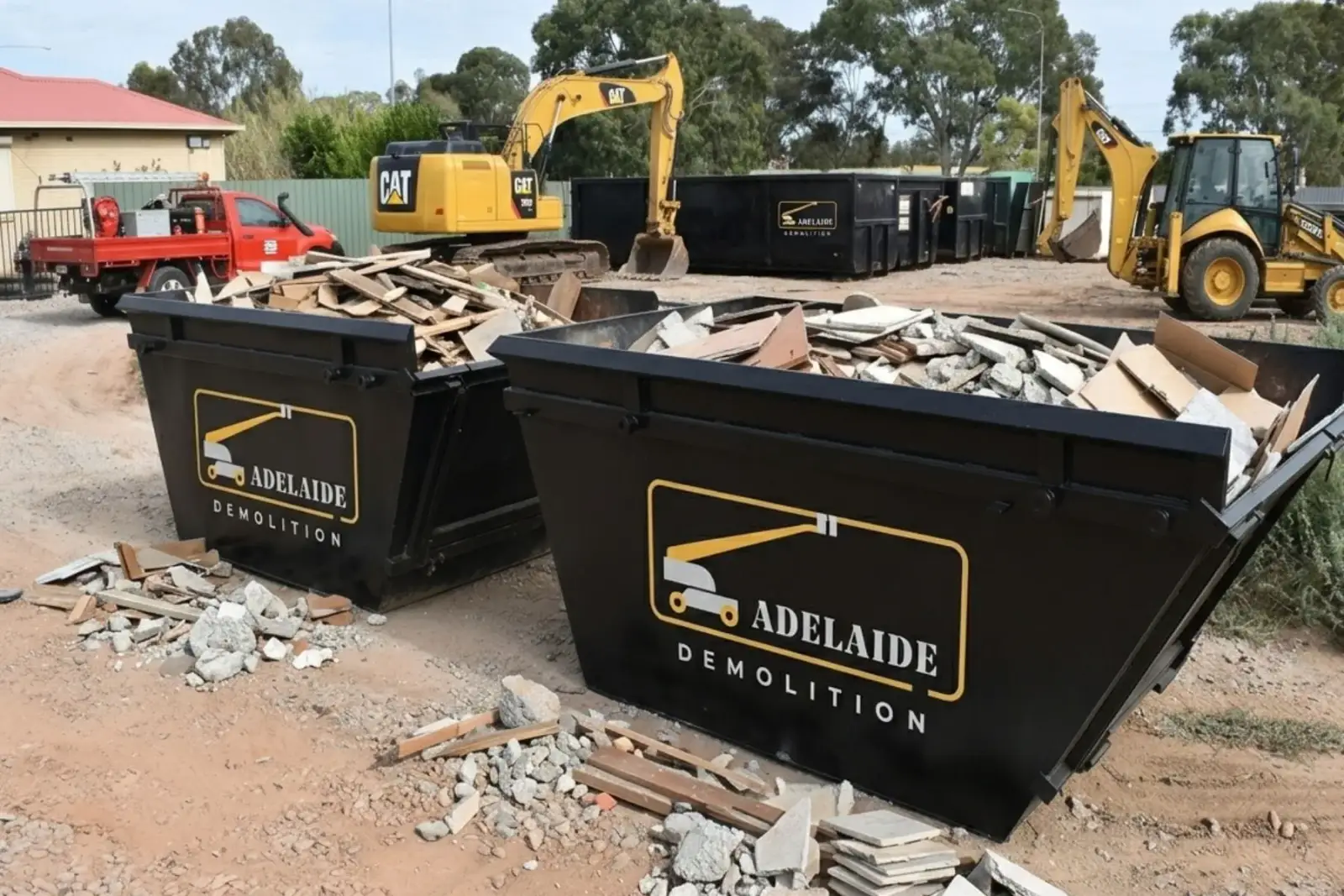
Construction waste management
Premium construction and demolition waste removal with material separation, recycling focus, and clean site closeout.
Service guide
Demolition rubbish disposal is a project system, not a clean-up afterthought. Waste affects safety, access, programme speed, environmental performance, disposal cost, and the final impression left for clients, builders, neighbours, and regulators. If waste is not planned, it quickly becomes the thing that slows the job down.
Adelaide Demolition manages construction and demolition waste across Greater Adelaide with a focus on separation, recovery, safe load-out, controlled transport, and clean site closeout. The goal is to move materials responsibly while keeping the site organised and ready for the next phase. On full knockdown projects, waste planning works best when it is scoped with House Demolition from the start.
Successfully submitted.
Please expect 1–2 days to get a response, if not, feel free to submit your quote request again.

01
Every demolition scope should begin with a waste plan. The team needs to understand what materials are likely to be generated, where they will be placed, which streams can be recovered, what needs specialist handling, where trucks will load, and how the site will remain safe while debris is produced.
This is especially important on Adelaide sites with narrow access, active neighbours, CBD constraints, contaminated materials, or strict builder handover expectations. A clean waste strategy improves productivity and reduces avoidable surprises.
02
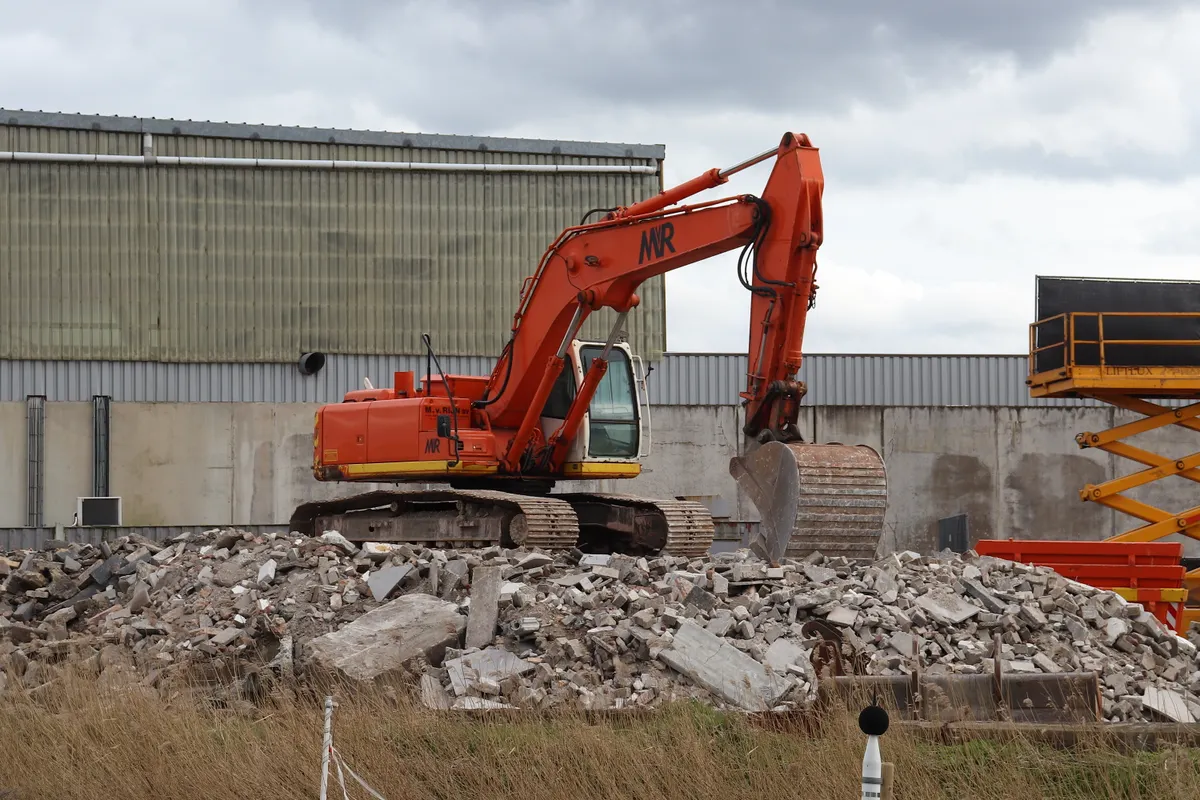
Demolition can produce concrete, brick, masonry, steel, copper, aluminium, timber, plasterboard, roofing, glass, soil, green waste, fixtures, insulation, mixed debris, and sometimes regulated or hazardous waste. These streams should not be treated the same if safer or more responsible pathways are available.
Where practical, recoverable materials are separated from general waste. This reduces clutter, supports South Australia's resource recovery objectives, and can improve the economics of disposal by avoiding unnecessary mixing of materials.
03
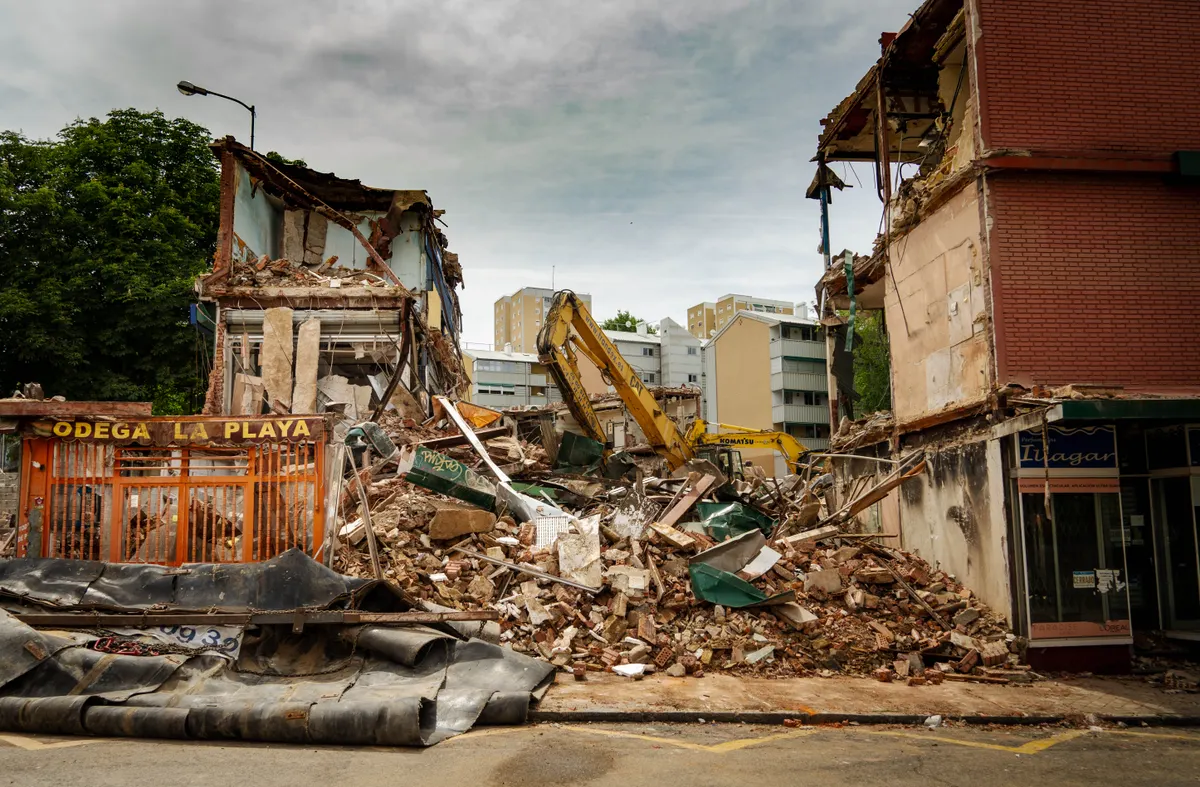
Asbestos, contaminated soil, chemicals, certain paints, fuel residues, and other regulated materials require specialist attention. They should not be hidden inside general construction waste. If hazardous material is suspected, the safest move is to stop, identify it, and create a compliant pathway.
This is why asbestos review belongs before demolition and rubbish disposal . One contaminated load can affect the site, the truck, the disposal facility, and the project record. Professional separation protects the client and the wider waste chain, with regulated materials handled through Asbestos Disposal before general waste moves.

04
Waste movement is often where demolition sites lose control. Trucks need safe loading positions, clear entry and exit, stable ground, spotters where required, and enough sequencing to avoid blocking machinery or neighbouring access. Skips, bins, tippers, and stockpiles should be placed with purpose.
A premium load-out plan considers truck timing, street conditions, dust, debris tracking, pedestrian exposure, and the final site condition. Good logistics make the site feel calm even when heavy material is moving.
01 / Construction waste management
Demolition debris is not just rubbish. It affects safety, truck movements, disposal cost, programme speed, and environmental performance. We separate recoverable materials where practical and keep the site flowing.
Our disposal planning considers load-out access, hazardous waste exclusions, recycling opportunities, landfill requirements, and the final standard expected at handover.
02 / Construction waste management
A well-managed waste stream reduces clutter, improves site safety, and helps clients demonstrate responsible project delivery.
03 / Construction waste management
The job is not finished when the last wall comes down. We finish with load-out, sweep-down, final checks, and a clean site suitable for the next construction stage.

Truck logistics
Every movement is staged around access, neighbours, public interfaces, material recovery, and the handover condition the next trade needs.
Service proof
High
Recovery focus
Sorted
Waste streams
Clean
Closeout
Identify waste types, risk materials, and available loading access.
Create streams for recyclable, reusable, and disposal materials.
Coordinate skips, trucks, bins, and safe movement on site.
Use appropriate facilities and retain disposal records where required.
Leave the site clear, controlled, and ready for the next stage.
Premium project delivery
Book a site inspection and receive a clear demolition plan, transparent scope, and practical next steps.
FAQ
Can not find the answer you need? Call the team and we will talk through the site.
Common streams include concrete, brick, masonry, timber, steel, roofing, plasterboard, soil, fixtures, green waste, and general construction debris.
No. Asbestos must be managed through the correct licensed removal, packaging, transport, disposal, and clearance pathway before general demolition waste is handled.
Recoverable materials such as concrete, brick, and metals are separated where practical and sent through suitable recovery pathways.
Yes. Waste sorting, bins, truck movements, disposal allowances, and final site closeout can be included in the demolition scope.
Yes, but mixed waste is assessed carefully. Separating recoverable, general, contaminated, and regulated material early keeps disposal safer and more efficient.