
Site review
Measure scope, access, structures, hazards, and removal paths.
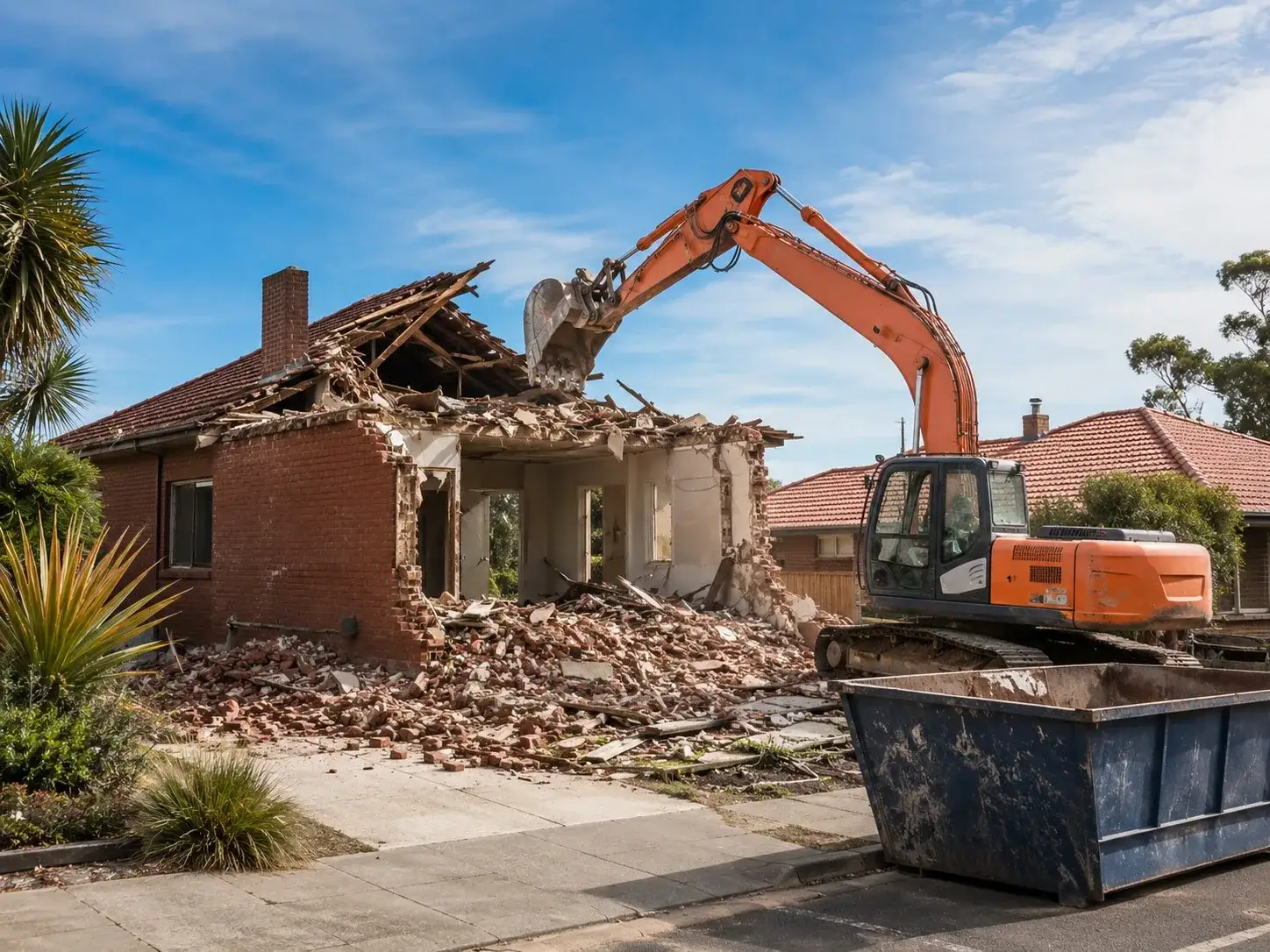
Residential site clearance
A controlled, high-accountability demolition service for homeowners, builders, and developers who need the site cleared without drama.
Service guide
House demolition is the start of a construction outcome, not just the removal of an old structure. A controlled knockdown sets the tone for the entire project by protecting neighbours, confirming services are safe, managing asbestos risk, separating waste, and preparing the block for builders, surveyors, engineers, and certifiers.
Adelaide Demolition delivers residential demolition for homeowners, builders, developers, and investors who want a clean handover without avoidable risk. We plan the job around council requirements, site access, plant selection, stormwater protection, slab and footing removal, recycling, and the final presentation expected on a premium rebuild site. If you are comparing budgets, our House Demolition Pricing Guide explains the commercial variables behind a proper quote.
Successfully submitted.
Please expect 1–2 days to get a response, if not, feel free to submit your quote request again.
01
A house can be removed quickly, but speed without planning often creates downstream cost. The best demolition scopes begin with the future build in mind. We consider where trucks will enter, where material will be sorted, how footings and slabs will be removed, what levels the builder expects, and which hazards need to be isolated before the excavator begins.
This discipline matters across single-storey homes, double-storey homes, outbuildings, garages, sheds, pools, old hardstands, and partial demolition projects. A well-planned demolition reduces confusion for the next trade and helps owners avoid paying twice for site preparation.
02
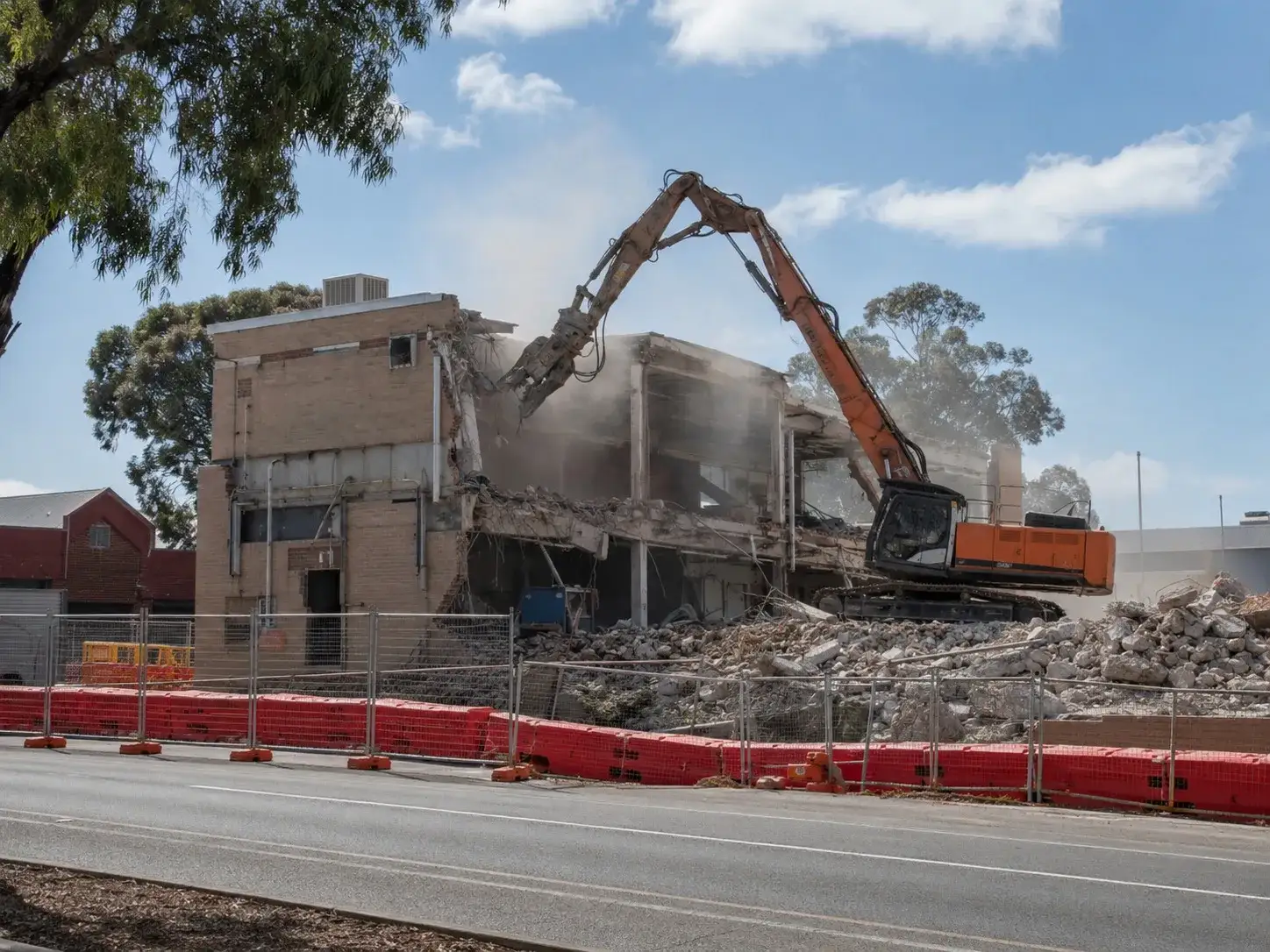
Many Adelaide demolition projects need approval or confirmation before work begins. The pathway can depend on council area, zoning, heritage status, regulated trees, stormwater arrangements, public assets, traffic impacts, and whether the whole building or only part of it is being removed. PlanSA and council requirements should be checked early, before dates are promised to builders.
We help clients gather the information usually needed for a demolition scope: site address, existing structures, proposed removals, service disconnections, asbestos status, waste approach, access restrictions, and any neighbour or public footpath interface. Better information at the start means fewer approval surprises later, especially when read alongside our Adelaide Council Demolition Permits guide .

03
Many Adelaide homes built or renovated before the national asbestos ban can contain asbestos-containing materials in eaves, wall linings, wet areas, vinyl flooring, roofing, sheds, fences, pipe lagging, or service spaces. Demolition should not disturb suspicious materials until they have been identified and managed through the correct pathway.
Where asbestos is present, licensed removal, SafeWork SA notification, air monitoring requirements, packaging, transport, disposal, and clearance evidence may apply. Planning that pathway through professional Asbestos Disposal support before structural demolition protects health, prevents contamination, and helps keep the project moving.
04
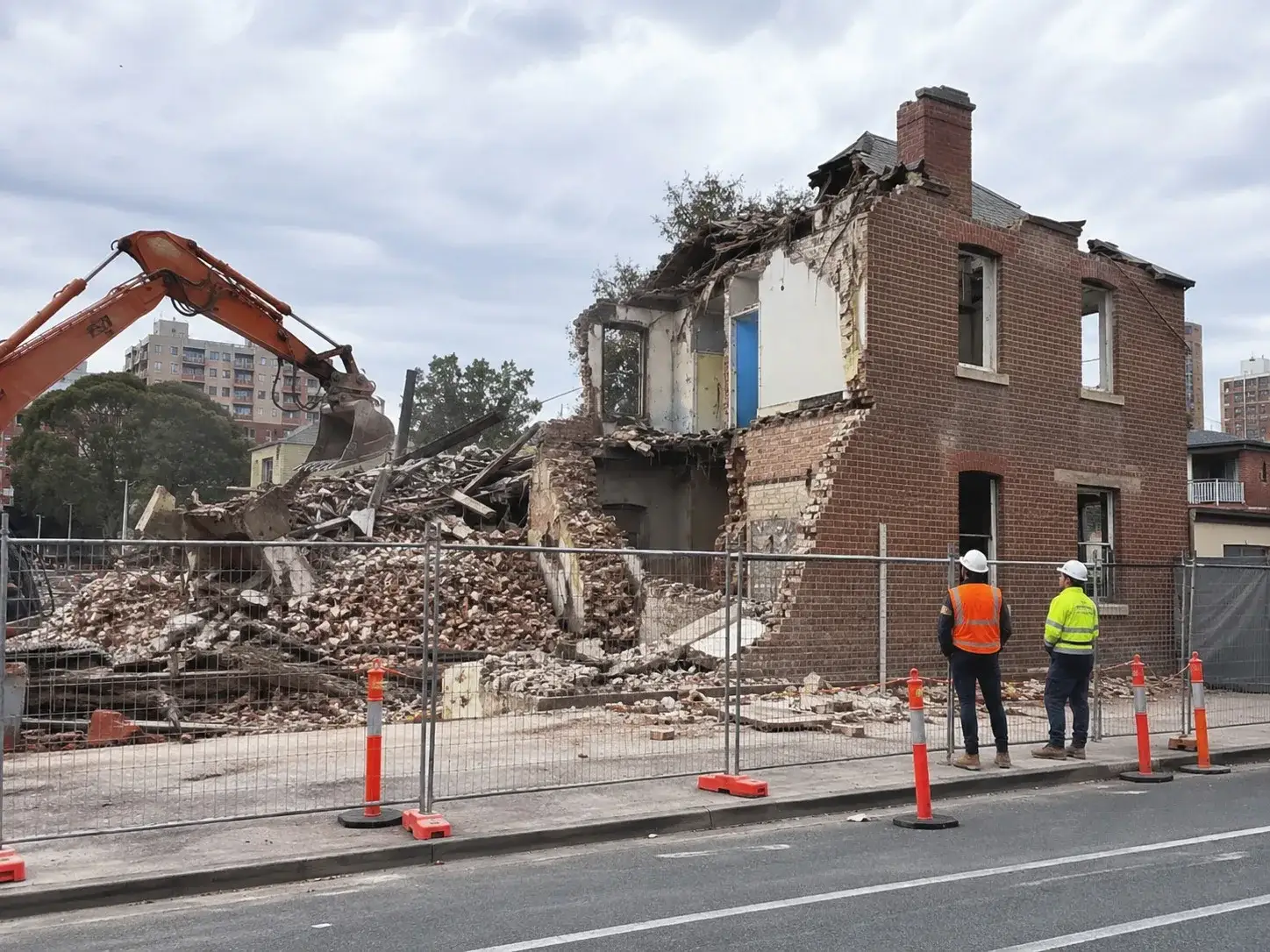
Our residential demolition process starts with site review and scope definition. We inspect access, structures, neighbouring properties, likely waste streams, ground conditions, overhead hazards, and service locations. The proposal then sets out inclusions, exclusions, assumptions, disposal logic, and the standard of handover.
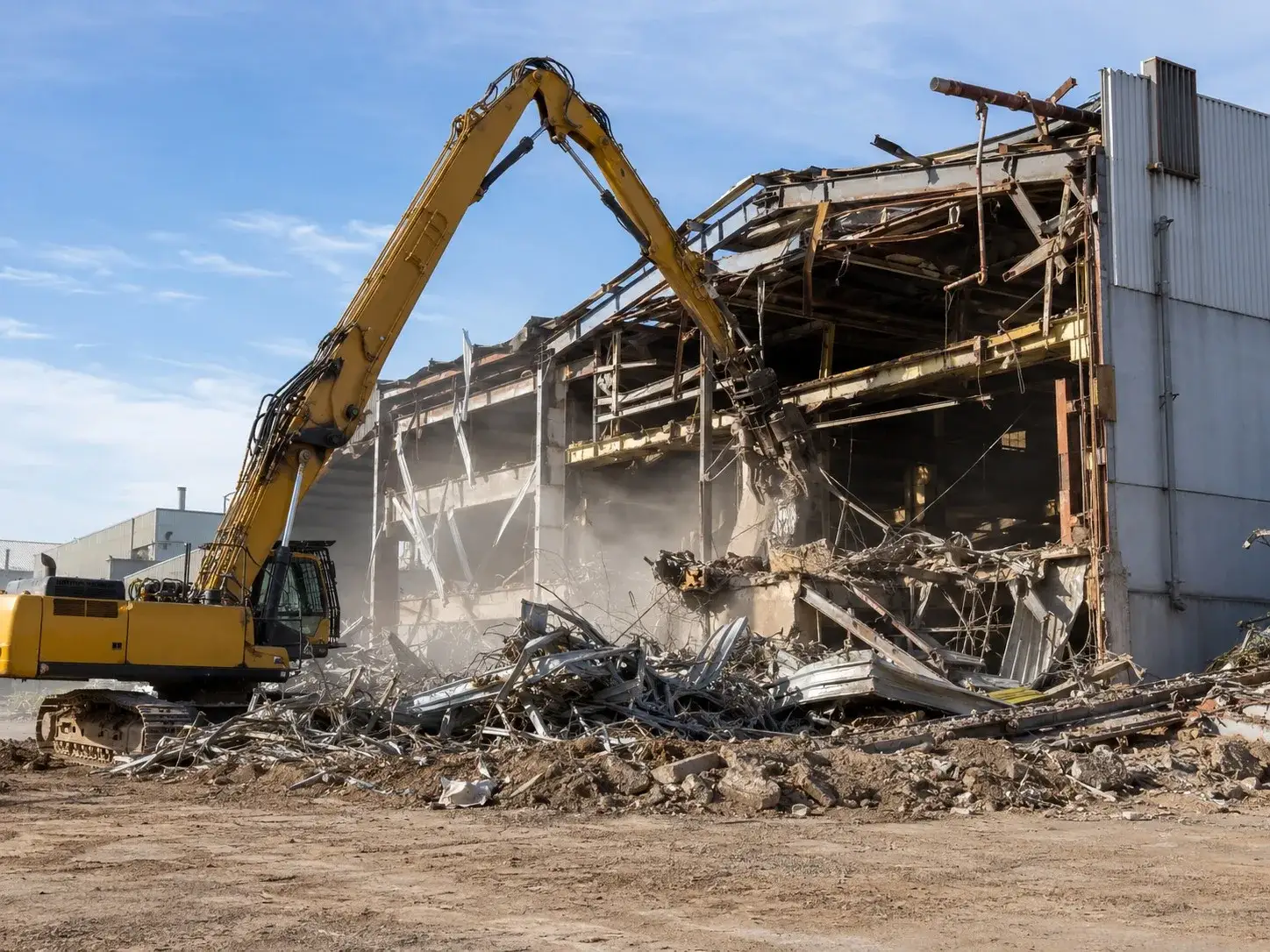
Once approvals and make-safe tasks are complete, the site is fenced and controlled. Materials are removed in a planned sequence, recyclable streams are separated where practical, dust is managed, trucks are coordinated, and the final load-out leaves the property ready for the next stage.
01 / Residential site clearance
A knock-down rebuild only runs smoothly when demolition is treated as the first construction milestone. We plan access, disconnections, hazardous material checks, neighbour controls, waste streams, and final levels before machinery arrives.
The result is a clean, documented site that is ready for builders, surveyors, and certifiers to move without avoidable delays.
02 / Residential site clearance
Every property is different, so the scope is tailored after a site inspection. The core service covers structure removal, hardstand removal, vegetation and debris separation where requested, load-out, recycling, and final site presentation.
03 / Residential site clearance
We help identify the permit pathway, supporting documentation, risk controls, and required notifications so the project can start with confidence. If asbestos or heritage constraints are present, those requirements are folded into the demolition plan from day one.
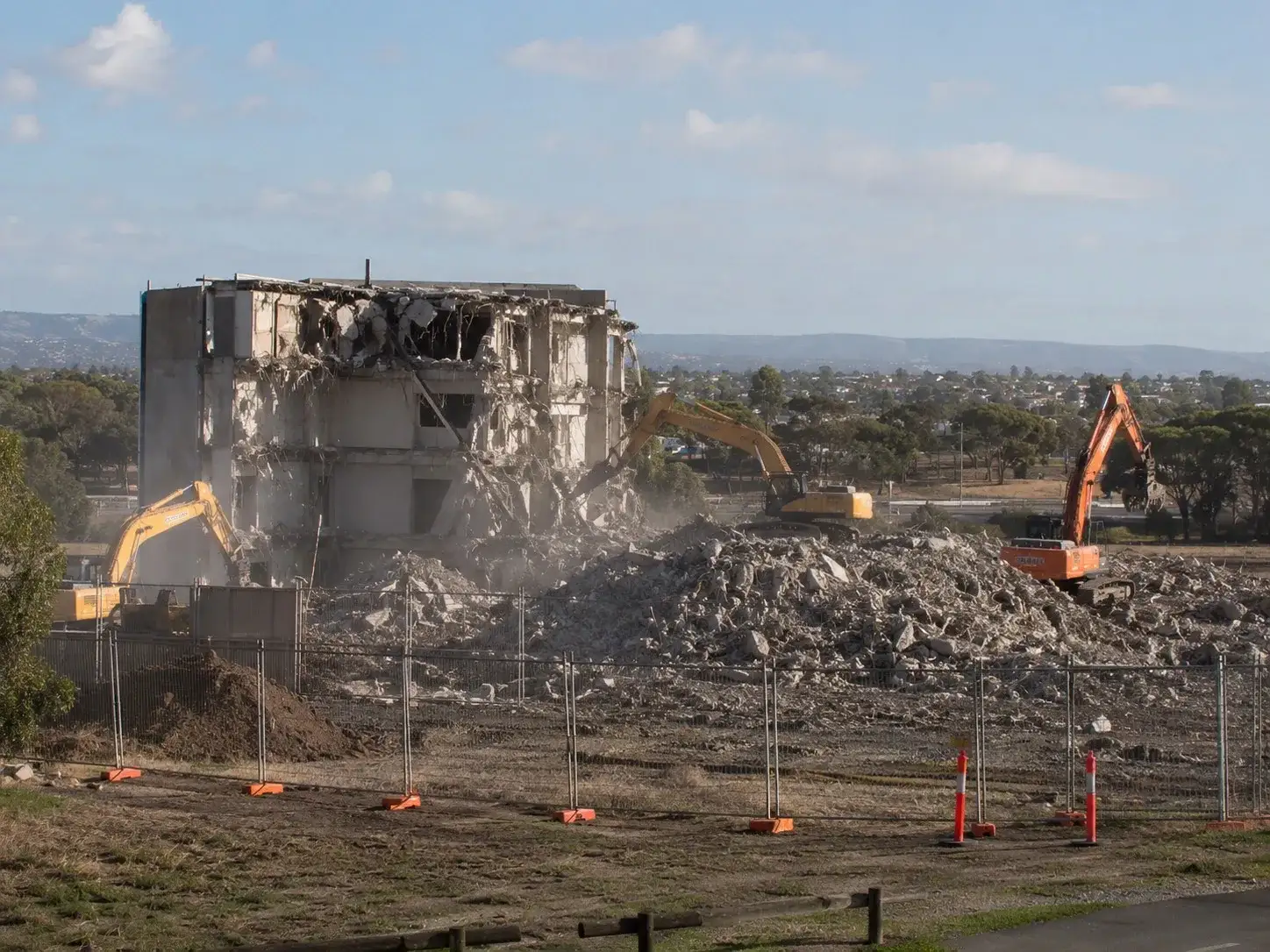
Staged demolition
Every movement is staged around access, neighbours, public interfaces, material recovery, and the handover condition the next trade needs.
Service proof
85%+
Average recovery target
Full + partial
Residential scopes
Fixed price
Proposal type
Measure scope, access, structures, hazards, and removal paths.
Itemised pricing with exclusions, assumptions, and disposal logic.
Confirm services, fencing, signage, dust, and neighbour controls.
Controlled structural removal with progressive separation of materials.
Final load-out, site trim, and completion documentation.
Premium project delivery
Book a site inspection and receive a clear demolition plan, transparent scope, and practical next steps.
FAQ
Can not find the answer you need? Call the team and we will talk through the site.
Once approvals, service disconnections, asbestos checks, and site controls are complete, a straightforward residential demolition may take several working days. Larger or constrained sites take longer.
Known or suspected asbestos should be identified and removed through the appropriate licensed pathway before structural demolition begins.
Yes. Slab, footing, driveway, paths, pools, sheds, and other hardstand removal can be included in the demolition scope after site review.
The handover standard is agreed in the proposal. A premium scope can include final load-out, trimming, waste removal, and practical preparation for follow-on trades.
Yes. Concrete, brick, steel, timber, and other recoverable materials can be separated where practical, with regulated waste managed through the correct pathway.